
Unconditional Election refers to the theological doctrine in Christian theology, particularly within Reformed and Calvinist traditions, which asserts that God’s choice of who will be saved is not based on any condition or merit in the individual. In this view, God’s election is entirely based on His will and grace, and it occurs independently of any actions or faith that a person might demonstrate. This concept contrasts with the idea of conditional election, which suggests that God’s choice is based on foreseen faith or actions of individuals.
When pondering Election, beware that it presents itself in many forms such as the wording “elect,” or “chosen,” or “foreordained,” or “appointed,” or “called,” or the phrase “my sheep,” or “those predestinated.” These all refer to a select people, those whom God has set apart before the foundation of the world.
“You did not choose me, but I chose you and appointed you that you should go and bear fruit…..” John 15:16
One might ask why we need to understand Election or make applications from such a doctrine that is debated over by so many Christians. The reason to make it a priority to study is because it is found in God’s word, which serves as the foundation of our faith and understanding. We know from 2 Tim 3:16 that “All Scripture is breathed out by God and profitable for teaching,” emphasizing the importance of embracing every aspect of Scripture, including doctrines that are sometimes contentious. Engaging deeply with the doctrine of Election enriches our spiritual lives, providing clarity and insight into God’s sovereign will and His purpose for humanity. It challenges us to reflect on our own beliefs, encouraging a more profound relationship with God and a better understanding of His plans for us. If all of Scripture is profitable for teaching, then so is meditating and studying upon the doctrine of Election because it is found in our beloved scriptures, urging us to explore this topic with seriousness and reverence. By doing so, we not only grow in knowledge but also in faith, allowing the revelation of God’s truth to transform our hearts and minds.
In this context, “unconditional” emphasizes that salvation is a divine decision made out of God’s sovereign will, and it is not dependent on human effort or choice.
This is also known as the theological term called “Monergism“. Monergism derives from the Greek “monos” (sole) and “ergon” (work) and refers to a single source acting alone. In Christian theology, it primarily denotes the belief that God is the sole agent in human salvation, without human participation or cooperation. This view was first articulated by Augustine of Hippo (354-430 AD). His views went on to heavily influence both the Lutheran Church and the Reformed Church.
“Election is the free, sovereign, and eternal choice of God, made by His will alone, and not upon the foresight of any works or conditions in the person.” — John Owen
A Biblical case for Unconditional Election
“But we ought always to thank God for you, brothers loved by the Lord, because from the beginning God chose you to be saved through the sanctifying work of the Spirit and through belief in the truth. He called you to this through our gospel, that you might share in the glory of our Lord Jesus Christ” (2Thessalonians 2:13-14)
“From the Beginning…” This is a pretty common phrase with regard to talking about God and time. Being that He is eternal and has set forth everything from the beginning of time, He is the author and creator of time. So it makes sense that God would have put into motion His entire plan of redemption since the beginning. This makes God’s plan for redemption to have been set in stone prior to the fall of mankind, which is what we believe. The actions and fall of Adam and Eve did not cause God to panic or have to replan things. We know God to be Omniscient, which means that He possesses perfect knowledge and knows all things both now and always. This leads to God having a knowledge of us prior to us ever being born. This knowledge, along with Him being the only one to be able to breathe life into our depraved souls, is where we begin to acknowledge this unconditional election.
“The doctrine of unconditional election is one of the choicest truths in the Word of God. It is not because of anything good in us, but because of God’s own good pleasure, that He has chosen us.” — George Whitefield
“God chose you” Throughout the Bible, we see God pushing this thought through: that He chose us. He is trying to articulate that there is no one else who can take credit for us being chosen besides the one who chose us “before the foundation of the world” Eph 1:4. It is God’s will that determines who has been called by the Spirit; this takes away our ability to claim any cooperation in the realm of our justification and election. This language of being chosen speaks of an intimate relationship and intended plan; nothing in the area of salvation is based off of chance. Everything has been predetermined by God’s will in regard to election; this gives those elected a sort of peace knowing that we are in His hands. Apart from God’s election, none of us would be saved.
“God’s election is unconditional, for it is not grounded upon any foreseen faith or works in the creature, but solely upon the sovereign will of God.” — Thomas Goodwin
“to be saved through the sanctifying work of the Spirit” How does one become saved/reborn? Is it by our own actions or our choice to place faith in Christ? No, it is clearly spoken here that it is by the work of the Spirit. This eliminates any condition that we might be able to place upon our salvation. It isn’t based on whether we believed hard enough or if we did enough good deeds in this life to have merit for such salvation. We are but yet a secondary agent, only responding to that which has already been put into motion by God. Apart from the renewal of the Holy Spirit, no one can even “see the Kingdom of God” John 3:3. How can one believe in that which he is unable to hear or see? It is this gift which is given by God to those whom He has elected that brings about newness of life.
“There is no reason why God should choose one over another, but the will of God alone is the reason why one is chosen and another rejected.” — Jonathan Edwards
“and through belief in the truth.” Ah, you see one must believe; therefore we must have a role in whether or not we believe in or reject the truth. Yes! We are held responsible for believing in the finished work of Christ upon the cross and will be judged upon such faith alone for our salvation. And yet we cannot muster such a faith; this saving faith is a gift given by God, displaying His grace upon the broken, lost, depraved, and spiritually dead humans that we are. This causes us to lean upon Him rather than trying to earn it ourselves. The faith which He requires, He alone provides. Praise the Lord for such a blessing and a gift.
“Faith is not a work of man, but a gift of God, which He bestows on us, and through it, we come to know Him.” – John Calvin
“He called you to this through our gospel” One might be asking themselves how one pursues the Spirit or comes to the ability to receive the gift of faith. The answer is quite simple, actually; the gospel is the instrument through which the Lord brings about the transformative gift of the Spirit. We know from God’s Word that “faith comes from hearing” (Rom 10:17) and that hearing is rooted in the word of Christ (aka the Gospel). We talked briefly earlier about one needing to be able to see/hear the object in which they need to place their faith. One doesn’t simply trust in a thing they have never heard of, nor if they lack any knowledge of what it is or who it is they are trusting in. There must be something that brings about this knowledge of Calvary, whether it is the Gospel or a revealed understanding from God.
“I believe the doctrine of election, because I am quite certain that, if God had not chosen me, I should never have chosen Him; and I am sure He chose me before I was born, or else He never would have chosen me afterwards; and He must have elected me for reasons unknown to me, for I never could find in myself why He should have looked upon me with special love.” – Charles Spurgeon
‘he predestined us for adoption to himself as sons through Jesus Christ, according to the purpose of his will, ‘ Ephesians 1:5
“He predestined us for adoption” We have been set apart from the world, chosen for adoption to become sons and daughters of God. Adoption is a profound concept to reflect on, as it signifies not just a legal change in status but a transformational journey where we embrace a new identity and inheritance as children of God that we once did not have access to. This divine act of adoption means that we are welcomed into a loving family, where all the privileges and responsibilities associated with being a child of the King are bestowed upon us. Once we have become adopted, we gain a refreshed perspective on our relationship with the Father, understanding that He has lovingly purchased us through Christ’s sacrifice. This monumental change gives our lives new purpose and belonging, as we realize we are no longer orphans wandering through life but beloved members of God’s chosen family. We now belong to God, not merely as servants alone, but as cherished children who can approach Him with confidence and joy, basking in His love and grace every day.
“Man is in such a state that he cannot of himself, by his own natural powers, will or do anything that is truly good. It is God’s election alone that determines who will receive the grace of salvation.” Martin Luther, from The Bondage of the Will
“through Jesus Christ” This adoption can only take place through a transfer, one that requires a payment. This payment was none other than the spilled blood and broken body of our Lord and Savior Jesus Christ upon the Cross of Calvary. It could not take place any other way, being that we owed such a debt so great to God that only God alone could pay it. There is only one way to the Father according to the words of our Lord (John 14:6), and that is through the Son of God, Jesus Christ. Not through any other religion, person, or actions, only through Jesus Christ via faith, which is a gift from God. Unless one knows Christ and has faith in Him, he cannot be saved. No amount of good works, merit, or faith in anything besides Christ can lead to justification in the eyes of God.
“For the very reason that God, out of his mere mercy and grace, hath elected us to salvation, is the cause of our predestination, which was before all worlds determined by God.” Thomas Cranmer
“according to the purpose of His will” How do we know these things about how God operates within the context of Election? The answer is because He has revealed His will to us through the Word of God and through His Son (Eph 1:9 & John 15:15). All things are to come about because God has willed all things, including those who do and don’t receive the gift of faith. This brings all glory to God because He alone is the sovereign cause of Justification. We cannot boast because we have done nothing to earn this love and gift from God. The only thing we have contributed to election is the sin that made it necessary for Christ to die on our behalf in order for us to be in right standing before God. Unconditional Election removes the ability for us to claim any cooperation in it, which takes away our ability to steal praise and boast over others who don’t receive election. Praise be to God for His incredible design of election and salvation.
54. What do you believe concerning the “Holy Catholic Church”?
That, out of the whole human race, from the beginning to the end of the world, the Son of God, by His Spirit and Word, gathers, defends and preserves for Himself to everlasting life a chosen communion in the unity of the true faith; and that I am and forever shall remain a living member of the same. – Heidelberg Catechism
The Error of Conditional Election
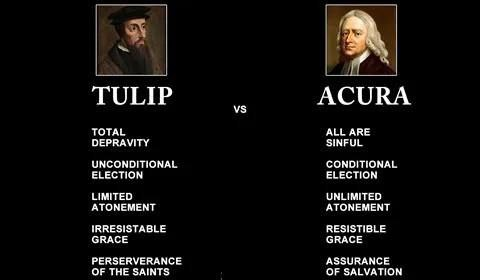
Conditional Election: means that God elects or chooses individuals for salvation based on their response to His offer of grace, particularly their faith in Jesus Christ.
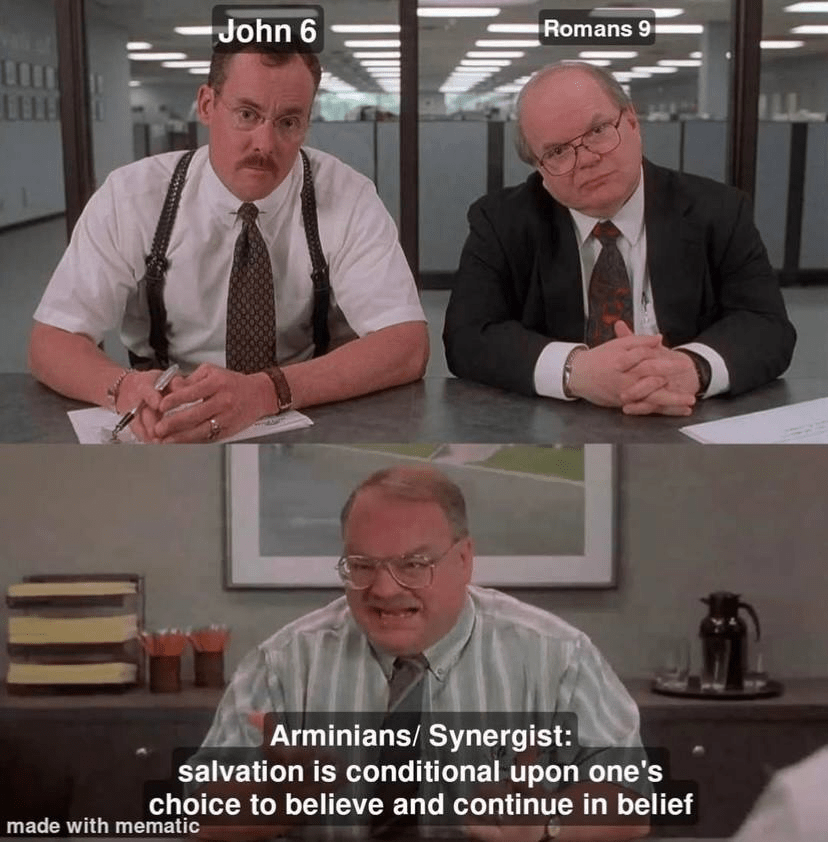
Many who fall into this camp/belief would be considered to be Arminian in their faith, meaning they support the free will view of accepting or rejecting the offer of Christ’s atonement on the cross. Those who might be considered this within the Protestant realm would be: Methodists, many Pentecostals, and even some Baptists (Anabaptist/Free Will Baptist). Lutherans also might find themselves caught up in this view based on how they adhere to Resistible Grace, the doctrine that one is able to reject the Holy Spirit’s call/gift of faith. This perspective emphasizes the importance of individual choice and accountability in the process of salvation, suggesting that a personal decision to accept divine grace is fundamental to a genuine relationship with God. Not so much a focus on free will in their view; rather, there is more focus on the fact that the Holy Spirit would never force someone against their will, thereby allowing for a genuine loving response rather than a coerced acceptance of faith. By embracing this understanding, believers are often encouraged to actively seek out their spiritual journey, reflecting on their faith and growing in relationship with Christ in ways that are meaningful to them personally, acknowledging that their response to God’s grace is a significant aspect of their spiritual life.

Argument against Foreknowledge view
‘For those whom he foreknew he also predestined to be conformed to the image of his Son, in order that he might be the firstborn among many brothers. ‘ – Romans 8:29
‘Peter, an apostle of Jesus Christ, To those who are elect exiles of the Dispersion in Pontus, Galatia, Cappadocia, Asia, and Bithynia, according to the foreknowledge of God the Father, in the sanctification of the Spirit, for obedience to Jesus Christ and for sprinkling with his blood: May grace and peace be multiplied to you. ‘ – 1 Peter 1:1-2
“For those whom he foreknew” Many Arminians and those who adhere to a conditional election seem to always drift to these passages. They come to the conclusion that this foreknowledge of God is that which looks forward into the future to those who would obey and believe in Him. Because God looks forward in time to only elect those who are obedient and faithful to Him therefore making this the condition upon which He chooses people for salvation. However in the verse above we went through the purpose of which God Elects His people, ultimately it was done according to His will not anything foreseen that was done by us. Remember that God is the author here not man and his abilities, so often we get to the mindset that everything revolves around us and that we our the authors. We must recall that God’s will is what all things henge upon, that without His will nothing takes place. No where in scripture do we get this idea that God can only make choices based on how we would react, God does not wait on us to act. To say that God reacts to us and only makes choices of salvation based on our merit/how we act in response to it, would simply be to replace the God of the universe with our own free will.
“They imagine that God distinguishes between individuals according to the merits he foresaw that each would have, as if he awaited the decision of the human will. But Scripture everywhere cries out against this.” – John Calvin
There is no denying the stark reality that God, in His boundless Omniscience, knows in advance who will be saved and who will face damnation. The heated debate about conditional versus unconditional election raises a crucial question: do these verses suggest that our so-called “free will choice” is the cause of God’s election, or do they merely expose the uncomfortable truth that God is fully aware of our fates before we even we are even born?
“God did not choose some because they did believe, but he chose them that they might believe.” – John Owen
‘And when the Gentiles heard this, they began rejoicing and glorifying the word of the Lord, and as many as were appointed to eternal life believed. ‘ – Acts 13:48
“Election is not founded upon foreseen faith, but faith is a consequent of election; we are elected to believe, not because we did believe.” – John Owen

Emphasis on Human Free Will & Responsibility
‘And it shall come to pass that everyone who calls upon the name of the Lord shall be saved.’ – Acts 2:21
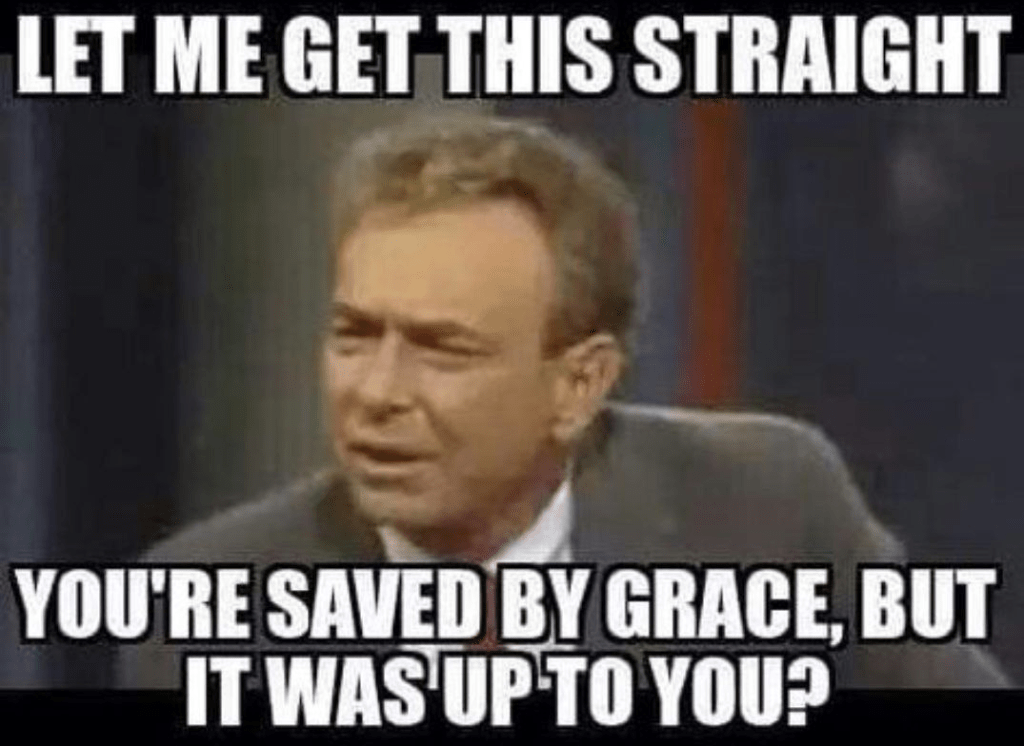
One of the biggest hindrances to the view of God’s sovereignty is this undying love for the idea of a completely free will. Our wills have never been truly free, except before the fall of Adam in the garden. Since the fall, our nature/will has a bent inclination toward sin, one that makes us unable to choose anything but our sinful desires. Apart from the regeneration by the Holy Spirit, we are unable to pursue God’s will/law. Only after we have been saved are we able to freely exercise our will. Through this discussion, we know that we come to a saving faith because of the gift of grace bestowed upon God’s people whom He has elected before the foundation of the world according to His will. Therefore, this makes everything unconditional regarding election since it has nothing to do with our free will.
‘And he said, “This is why I told you that no one can come to me unless it is granted him by the Father.” – John 6:65
Remember your third-grade teacher? You raised your hand and asked, “Mrs. So-and-So, can I go to the pencil sharpener and sharpen my pencil?” She replied, “I’m sure that you can, but the question is not whether you can, but whether you may.” May has to do with permission; can has to do with ability. “No one can” means that no one is able. No one is able to come to Christ apart from God’s election.
The Westminster Confession of Faith Chapter 9: Of Free Will
Sec. 1. God hath endued the will of man with that natural liberty, that it is neither forced, nor, by any absolute necessity of nature, determined to good, or evil.
Sec. 2. Man, in his state of innocency, had freedom, and power to will and to do that which was good and well pleasing to God; but yet, mutably, so that he might fall from it.
Sec. 3. Man, by his fall into a state of sin, hath wholly lost all ability of will to any spiritual good accompanying salvation: so as, a natural man, being altogether averse from that good, and dead in sin, is not able, by his own strength, to convert himself, or to prepare himself thereunto.
Sec. 4. When God converts a sinner, and translates him into the state of grace, He freeth him from his natural bondage under sin; and, by His grace alone, enables him freely to will and to do that which is spiritually good; yet so, as that by reason of his remaining corruption, he doth not perfectly, nor only, will that which is good, but doth also will that which is evil.
Sec. 5. The will of man is made perfectly and immutably free to do good alone in the state of glory only.
God’s Universal Love and Desire for All to be Saved
‘who desires all people to be saved and to come to the knowledge of the truth. ‘ – 1 Timothy 2:4
‘The Lord is not slow to fulfill his promise as some count slowness, but is patient toward you, not wishing that any should perish, but that all should reach repentance. ‘ – 2 Peter 3:9
This thought that God desires everyone individually to be saved is challenged by the fact that not everyone is saved and the fact that He has created some to be vessels of wrath (Rom 9:20-24). Now, I believe the text when it says He desires all to be saved; however, He has not decreed all to be saved. So we must address either that God lied to us or the fact that His two wills are contrary to one another. But I support option C: that the word “all” in this context doesn’t mean all individually, meaning each and every person, but rather that it means all kinds of people. Remember that during this time, the hostility between Jews and Gentiles, not to mention all the distinctions between those who were of an earthly status and those who were not. The Pharisees loved to lord their holiness and righteousness over others, creating an ever greater distinction between a high-class vs. low-class view back then, one that we still have today in many ways. So rather than viewing this text to mean every single person, many reformers and theologians have discerned that this fits better in the context of the Bible and God’s character, that it would be all kinds of people without distinction. This means that God desires Jews and Gentiles, rich and poor, white and black, male and female, young and old, educated and non-educated, slave and free. This is a common thought in the mind of Paul, and he expresses it on multiple occasions to multiple churches.
“There is neither Jew nor Greek, there is neither slave nor free, there is no male and female, for you are all one in Christ Jesus.” – Gal 3:28
“Here there is not Greek and Jew, circumcised and uncircumcised, barbarian, Scythian, slave, free; but Christ is all, and in all.” – Colossians 3:11
This thought of abolishing the distinctions between others that lead to so much hostility between different people groups is one of the reasons why the Gospel is such good news. It leads to social and cultural freedom when one finds their identity no longer in their own class but rather finds their worth in Christ. In many cases, the word “all” cannot always mean the same thing; we must observe the Bible as a whole to understand the context in which it speaks.
![Primary Keywords (High Search Volume Potential, but might be broader):
All in the Bible meaning every person
Bible "all" inclusive interpretation
Universal salvation Bible verses
Atonement for all individuals
God's love for every person in the Bible
Secondary Keywords (More Specific, Lower Search Volume but Higher Intent):
Does "all" in scripture mean every single person?
Bible verses where "all" means without exception
The "all" passages in the Bible interpreted literally (regarding people)
Individual redemption in the Bible
Scope of atonement: every individual
Theological debate: "all" vs. "all kinds" in the Bible
Bible commentary on "all" meaning each person
Exegesis of "all" in specific Bible verses (e.g., 1 Timothy 2:4, 2 Peter 3:9, John 3:16) - Use specific verses if you are focusing on them.
The "whosoever" passages and the meaning of "all"
No one excluded in biblical salvation
Long-Tail Keywords and Questions (Highly Specific, Lower Volume, Answering Direct Questions):
What does "all men" mean in the Bible? (interpreted as every individual)
Are there Bible verses that explicitly say God loves every single person?
How do you interpret "all" in [Specific Verse] to mean every individual?
If "all" means "all kinds," does that exclude some individuals?
The universal "all": biblical support for every person
Understanding the Greek word for "all" (pas) in relation to individuals
Does the Bible teach that Christ died for every single person?
Is the offer of salvation in the Bible extended to every individual?
Keywords Focusing on the Contrast:
"All" meaning every person vs. "all kinds" in the Bible
Distinguishing "all" as individuals from "all" as groups in scripture
The individual vs. collective interpretation of "all" in the Bible](https://thoughtsinthelight.com/wp-content/uploads/2025/05/image-11.png?w=1024)
“unless there are two contrary wills in God; for there are some who were before ordained by him unto condemnation, and are vessels of wrath fitted for destruction; and it is his will concerning some, that they should believe a lie, that they all might be damned; nor is it fact that all are saved, as they would be, if it was his will they should; for who hath resisted his will? but there is a world of ungodly men that will be condemned, and who will go into everlasting punishment: rather therefore all sorts of men, agreeably to the use of the phrase in ( 1 Timothy 2:1 ) are here intended, kings and peasants, rich and poor, bond and free, male and female, young and old, greater and lesser sinners; and therefore all are to be prayed for, even all sorts of men, because God will have all men, or all sorts of men, saved” – John gill on 1 Tim 2:4
The Confessions on Election
As you will see many hold this view from Lutherans to Anglicans, from Baptist to Presbyterians. Many people contribute this idea of Election solely to Calvin and therefore they dismiss it all together. But instead you will find a deep history of it being taught all the way back to the Bible.
“We call it unconditional election, because we do not suppose that God, in choosing us, is influenced by any consideration of our future works or merits, but that he has chosen us according to his own will and good pleasure.” John Calvin, from Institutes of the Christian Religion (Book 3, Chapter 21, Section 5)
“God has mercy on whom he will have mercy, and whom he will he hardeneth… this is the whole sum of election, that God in his infinite wisdom has determined to call some to eternal life, and others he has left to their own depravity.” John Calvin, The Institutes of the Christian Religion, (Book 3, Chapter 21, Section 7)
“We believe that all things are governed by the will of God, and that God, before the foundation of the world, has chosen to eternal life those whom he willed, not based on their works, but according to his sovereign mercy.” Heinrich Bullinger, from The Second Helvetic Confession (Chapter 9 on Election)
“We believe that our good God, by His unchangeable counsel, has elected to eternal life a great multitude of men, who were lost in Adam, and who through the death of Jesus Christ are redeemed, and who by the Holy Spirit are made partakers of Christ, and have their hearts cleansed, and by the power of God are kept for eternal salvation. But we also believe that all men are not elected. We believe that some are predestined to eternal life, and others are foreordained to eternal death.” Belgic Confession – Article 16: The Doctrine of Election
“Those of mankind that are predestinated unto life, God, before the foundation of the world was laid, according to His eternal and immutable purpose, and the secret counsel and good pleasure of His will, hath chosen in Christ unto everlasting glory, out of His mere free grace and love, without any foresight of faith or good works, or perseverance in either of them, or any other thing in the creature, as a condition or cause moving Him thereunto.” Westminster Confession – Chapter 3: Of God’s Eternal Decree, Section 5
“This effectual call is of God’s free and special grace alone, not from anything at all foreseen in man, who is altogether passive therein, until, being quickened and renewed by the Holy Spirit, he is thereby enabled to answer this call, and to embrace the grace offered and conveyed in it.” Westminster Confession – Chapter 10: Of Effectual Calling, Section 2
“That some receive the gift of faith from God, and others do not receive it, proceeds from God’s eternal decree, for He has mercifully chosen some to everlasting life, and the others He has left to follow their own ways, and the depravity of their own hearts, in which they, by their own will, are inclined to evil.” Canons of Dort – Head 1: Of Divine Predestination, Article 6
“The doctrine of this high mystery of predestination is to be handled with special prudence and care, that men may not rashly inquire into it, and intrude into things which they have not seen, and that they may not weaken or promote the error of Pelagius, or of those who make man’s salvation dependent on his own will. All men are not equally called, but some are left in the misery of their sin, and others are elected to eternal life, according to God’s good pleasure.” Canons of Dort – Head 1: Of Divine Predestination, Article 7
“This election was not based upon foreseen merit or faith, but it is the will of God, who chose the elect to eternal life according to His sovereign will and pleasure.” Canons of Dort – Head 1: Of Divine Predestination, Article 9
“We confess and acknowledge that by the eternal and unchangeable purpose of God, who is the cause of all things, from the beginning of the world, before the foundations thereof were laid, He has chosen some to eternal life, and others He has reprobated, in such a manner that neither the one nor the other can do anything in opposition to His will.” Scots Confession – Chapter 3: The Eternal Decree of God
“Predestination to life is the everlasting purpose of God, whereby (before the foundations of the world were laid) He hath constantly decreed by His counsel, secret to us, to deliver from curse and damnation those whom He hath chosen in Christ out of mankind, and to bring them by Christ to everlasting salvation, as vessels made to honor.” Thirty-Nine Articles – Article 17: Of Predestination and Election
“We believe that God, before the foundation of the world, hath eternally and unchangeably elected some to everlasting life, and others to eternal death, according to His good pleasure, for the manifestation of His glory.” Second Helvetic Confession – Chapter 10: Of Predestination
“By the decree of God, for the manifestation of his glory, some men and angels are predestinated unto everlasting life, and others foreordained to everlasting death. These angels and men thus predestinated and foreordained are particularly and unchangeably designed, and their number is so certain and definite that it cannot be either increased or diminished. Those of mankind that are predestinated unto life, God, before the foundation of the world was laid, according to his eternal and immutable purpose, and the secret counsel and good pleasure of his will, hath chosen in Christ unto everlasting glory, out of his mere free grace and love, without any foresight of faith or good works, or perseverance in either of them, or any other thing in the creature, as a condition or cause moving him thereunto.” London Baptist Confession of Faith – Chapter 3: Of God’s Eternal Decree
Logical conclusion of Penal Substitutionary Atonement
‘whom God put forward as a propitiation by his blood, to be received by faith. This was to show God’s righteousness, because in his divine forbearance he had passed over former sins. It was to show his righteousness at the present time, so that he might be just and the justifier of the one who has faith in Jesus. ‘ – Romans 3:25-26
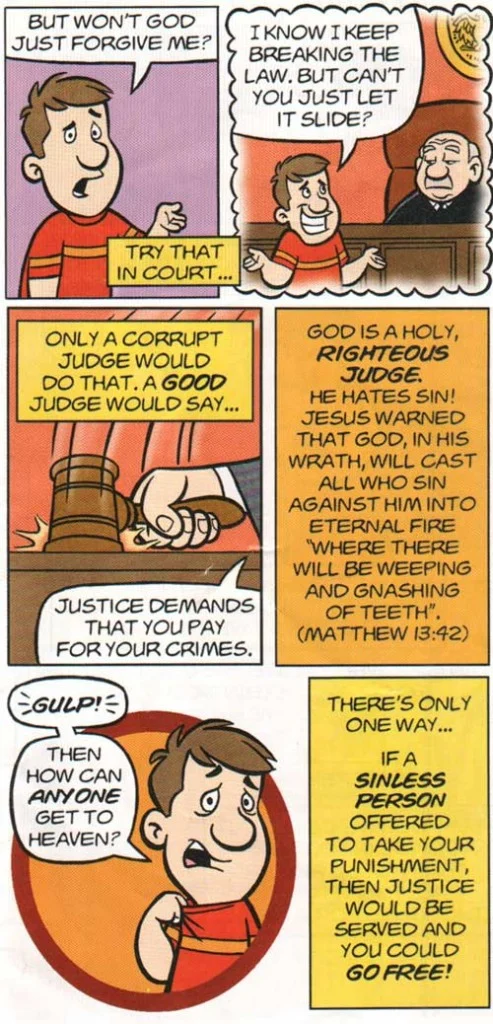
Penal Substitutionary Atonement: This doctrine teaches that God, in His justice, had to punish sin. Since humans sinned, they deserved this punishment. However, Jesus Christ, as a substitute, bore the penalty of God’s wrath on the cross, satisfying God’s justice. In other words, Christ’s death paid the debt that sinners owed to God.
Penal substitution answers the question, “How can God justly save sinners?” But it raises another question: “Why are some people saved and others are not, if Christ paid the penalty for everyone’s sins?”
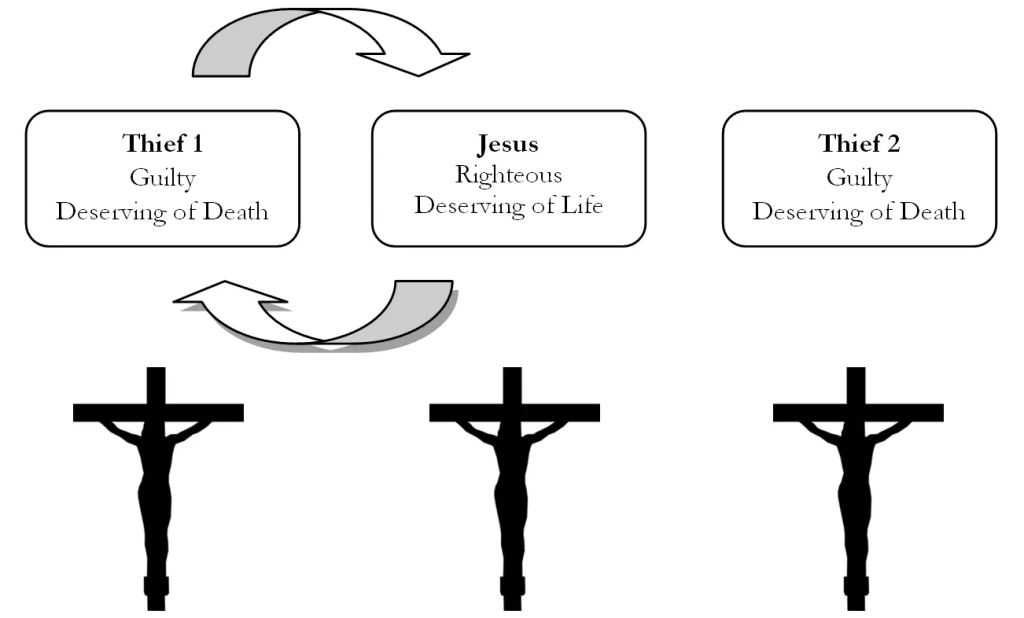
If God’s justice demands a payment, and Christ’s death fully satisfies that demand, then the application of that payment cannot be left to chance or to the uncertain will of humans. Election is the mechanism by which God ensures that the benefits of Christ’s sacrifice are applied to those whom He has chosen, guaranteeing their salvation.
‘Surely he has borne our griefs and carried our sorrows; yet we esteemed him stricken, smitten by God, and afflicted. But he was pierced for our transgressions; he was crushed for our iniquities; upon him was the chastisement that brought us peace, and with his wounds we are healed. All we like sheep have gone astray; we have turned—every one—to his own way; and the Lord has laid on him the iniquity of us all. ‘ – Isaiah 53:4-6
The doctrine of election provides an answer within this theological framework. It states that God, before the foundation of the world, chose (elected) certain individuals to be saved.
Election doesn’t negate the universal sufficiency of Christ’s atonement, but it explains why, in actuality, only some are saved. God effectively applies the benefits of Christ’s sacrifice to those He has chosen and only them. This application is seen as a work of God’s grace, ensuring that salvation is not dependent on human will or effort, but solely on God’s sovereign choice.
If God’s justice demands a payment for sin (penal substitution), and
If that payment is made by Christ, and
If not all are saved,
Then, it is argued, God must have had a plan to apply that payment to certain people. Election is the term given to that plan.
Westminster regarding Election
Chapter 3
Of God’s Eternal Decree
1. God, from all eternity, did, by the most wise and holy counsel of his own will, freely, and unchangeably ordain whatsoever comes to pass: yet so, as thereby neither is God the author of sin, nor is violence offered to the will of the creatures; nor is the liberty or contingency of second causes taken away, but rather established.
2. Although God knows whatsoever may or can come to pass upon all supposed conditions, yet hath he not decreed anything because he foresaw it as future, or as that which would come to pass upon such conditions.
3. By the decree of God, for the manifestation of his glory, some men and angels are predestinated unto everlasting life; and others foreordained to everlasting death.
4. These angels and men, thus predestinated, and foreordained, are particularly and unchangeably designed, and their number so certain and definite, that it cannot be either increased or diminished.
5. Those of mankind that are predestinated unto life, God, before the foundation of the world was laid, according to his eternal and immutable purpose, and the secret counsel and good pleasure of his will, hath chosen, in Christ, unto everlasting glory, out of his mere free grace and love, without any foresight of faith, or good works, or perseverance in either of them, or any other thing in the creature, as conditions, or causes moving him thereunto; and all to the praise of his glorious grace.
6. As God hath appointed the elect unto glory, so hath he, by the eternal and most free purpose of his will, foreordained all the means thereunto. Wherefore, they who are elected, being fallen in Adam, are redeemed by Christ, are effectually called unto faith in Christ by his Spirit working in due season, are justified, adopted, sanctified, and kept by his power, through faith, unto salvation. Neither are any other redeemed by Christ, effectually called, justified, adopted, sanctified, and saved, but the elect only.
7. The rest of mankind God was pleased, according to the unsearchable counsel of his own will, whereby he extendeth or withholdeth mercy, as he pleaseth, for the glory of his sovereign power over his creatures, to pass by; and to ordain them to dishonor and wrath for their sin, to the praise of his glorious justice.
8. The doctrine of this high mystery of predestination is to be handled with special prudence and care, that men, attending the will of God revealed in his Word, and yielding obedience thereunto, may, from the certainty of their effectual vocation, be assured of their eternal election. So shall this doctrine afford matter of praise, reverence, and admiration of God; and of humility, diligence, and abundant consolation to all that sincerely obey the gospel.
Conclusion
‘And not only so, but also when Rebekah had conceived children by one man, our forefather Isaac, though they were not yet born and had done nothing either good or bad—in order that God’s purpose of election might continue, not because of works but because of him who calls— she was told, “The older will serve the younger.” As it is written, “Jacob I loved, but Esau I hated.” ‘ – Romans 9:10-13
This doctrine cannot be hid from the eyes of the believer. One must simply ignore scripture altogether in order to not be reconciled to it. From the word of God, Unconditional Election is clearly taught to His people, and only His people will truly understand it. Many take it and twist it for their own benefit, often using it to justify their personal agendas, while others reject it to also serve themselves, perhaps seeking the comfort of human-centric belief systems. Such a profound doctrine should lead us to the awe of God’s sovereignty and His incredible design of salvation, for it speaks to the very heart of His redemptive plan. It reveals the depth of His grace and the magnitude of His love, emphasizing that salvation is not a mere afterthought but a meticulously orchestrated act of divine will. My hope is that this study might point you to a deeper understanding of the word of God, encouraging a journey that leads to a stronger praise and worship of Him, filling our hearts with gratitude and wonder as we grasp the fullness of His purpose for us.

https://www.monergism.com/election-0
https://www.sermonaudio.com/sermons/416171440575/a?autoplay=1

Leave a comment