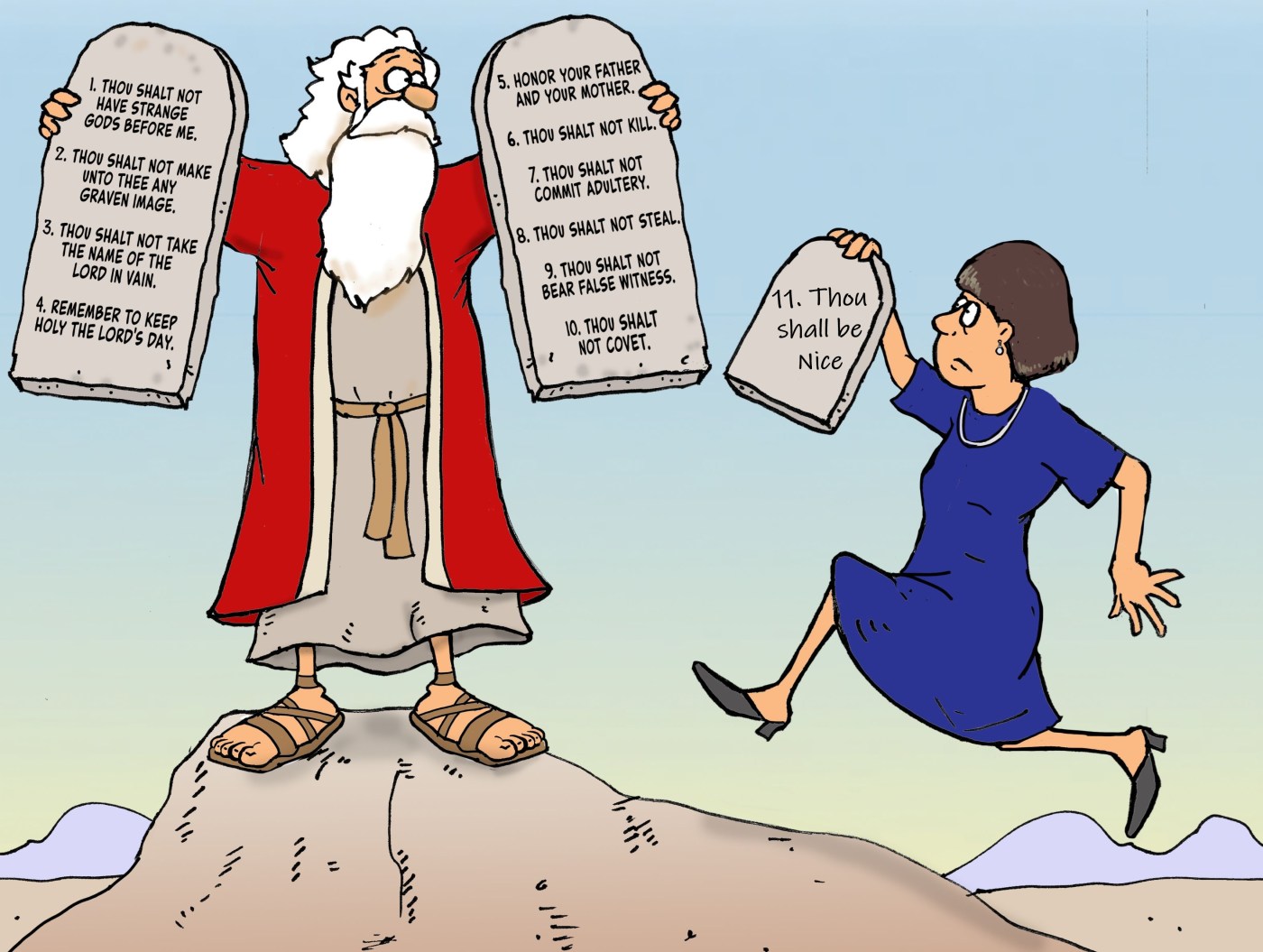
How many times have you heard someone, maybe even a Christian, say something along the lines of “don’t judge others”? Or perhaps the statement that “only God can judge me”? It seems nowadays that nobody is allowed to judge or make discernments about other humans in any way without facing backlash. This prevailing mentality has arisen from the notion that we, as Christians, can only be nice and that it’s not considered kind to make judgment calls on others. However, this raises important questions about the balance between compassion and discernment. The Bible does encourage love and understanding, but it also teaches about the importance of discernment in our lives and within the community of believers. In the pursuit of kindness, have we perhaps lost the ability to hold each other accountable? Could it be that in avoiding judgments, we are neglecting our responsibility to guide one another toward spiritual growth, understanding, and correction? Thus, while we strive to embody kindness, we must also remember that discernment is a gift that is well needed for the believer to best serve others while calling others to repentance.
“Judge not too quickly, but judge you must, else how will you avoid the deceiver or the wolf in sheep’s clothing?” – Richard Baxter
During this article, we must keep the Law of God at the forefront of our minds. The Law is best summed up as this: Love the Lord your God with all your heart, mind, soul, and strength; and love your neighbor as yourself. If we are truly pursuing God, then our goal is to please Him first and foremost by obeying His commandments. And when we do this well, we will truly be loving our neighbors rather than just trying to come off as being nice. If we concern ourselves with what others think at the expense of what God thinks and desires, then we will find ourselves on the wrong end of divine judgment. So today we will tackle the question, what does it look like to truly love others and what kind of judgment is to be used by the Christian.
Some questions we should be asking ourselves.
Is it always loving to act nice all the time?
Is being nice the most important thing we can do when interacting with Non-Christians?
Does God call us to be nice to all people at all times in the way that they perceive it to be nice?
Are Christians ever allowed to make such judgments upon others?
What judgements should Christians avoid casting upon others?
Can we truly live according to God’s word if we do not have discernment?
Judgement
Judgement is the ability to make considered decisions or come to sensible conclusions.
When it comes to the topic of judgement, it is crucial to understand the context and the type of meaning that is carried by the word. The differences in the word judgement could be anything from making external conclusions to passing eternal punishment. It is important to understand the different roles the word can take on and who it is that is speaking and doing such action along with who it is receiving it. It is just as important to not assume the worst from people when they do make slight judgement observations. Since we cannot observe the heart, we are left with making our conclusions based on our sight. Our sight can only take in the outward actions of others, not the posture of their heart. However we are told in (Proverbs 4:23) that everything we do is the outward pouring of our heart, since all things flow from the heart. So in many ways our actions speak to what lies in our hearts. Below we will walk through what it looks like for Christians to righteously judge others and what that truly means.
‘There is only one lawgiver and judge, he who is able to save and to destroy. But who are you to judge your neighbor? ‘ – James 4:12
‘ “Judge not, and you will not be judged; condemn not, and you will not be condemned; forgive, and you will be forgiven;’ – Luke 6:37
‘Therefore you have no excuse, O man, every one of you who judges. For in passing judgment on another you condemn yourself, because you, the judge, practice the very same things.’ – Romans 2:1
In the verses above, we see what we call Eternal Judgement. This is the judgement that God uses to condemn a person, making a judgement call on the state of their soul. Such judgement belongs to God alone, for only God knows one’s true nature and heart position. God gives warning to those who would seek to pass such judgement that they will bring the same upon themselves by doing so. This is because they are taking the role of God upon themselves and passing judgement upon others without the right or ability to do so. Therefore, God will not take it easy on those who seek to steal His throne and rightful position. Many of the warnings against judging others come in the context of not being a hypocrite. A majority of us are guilty of the very same thing we judge others for, therefore bringing extra judgement upon us for doing the same thing. God is righteous in judging all because God is free from any charge; He is not guilty of anything.
“To judge men’s hearts or final state, which God has reserved to himself, is a usurpation of God’s prerogative.” – Richard Baxter
‘Do not judge by appearances, but judge with right judgment.” ‘ – John 7:24
‘“And why do you not judge for yourselves what is right?’ – Luke 12:57
‘Therefore, my beloved, flee from idolatry. I speak as to sensible people; judge for yourselves what I say.’ – 1 Corinthians 10:14-15

If we are called to judge as these verses state, what type of judgment are we to pass? I like to call this Evidential/Conclusional Judgement, because we are able to end with a conclusion to that which we outwardly perceive to be true. And that evidential judgment should come from using the standard of the Bible to arrive at a right conclusion regarding the outward actions of others. Remember, this judgment is not a condemning judgment of the soul; rather, it is simply a conclusion based on outward appearances. Without these judgments, how would we be able to know the difference between a Christian and an atheist? Without it, how would we know if someone is living in sin or abiding in Christ? The question isn’t if we are given the ability to make judgment calls in our daily lives, but how we go about doing it in a rightful way.
“We must not judge concerning one another’s eternal state, for we cannot infallibly know it; but we may judge of the tree by its fruits.” – Matthew Henry
‘Or do you not know that the saints will judge the world? And if the world is to be judged by you, are you incompetent to try trivial cases? Do you not know that we are to judge angels? How much more, then, matters pertaining to this life! ‘ – 1 Corinthians 6:2-3
‘For what have I to do with judging outsiders? Is it not those inside the church whom you are to judge? God judges those outside. “Purge the evil person from among you.”’ – 1 Corinthians 5:12-13
‘But Peter and John answered them, “Whether it is right in the sight of God to listen to you rather than to God, you must judge, ‘ – Acts 4:19
‘“I can do nothing on my own. As I hear, I judge, and my judgment is just, because I seek not my own will but the will of him who sent me.’ – John 5:30
Judging is crucial for the health of the body. Being able to judge well is a gift from God and one that is only developed by abiding in His word daily. For it is only by His word that we know what truth is and where eternal life is found. Without judging well, the flock will soon be dining with the wolves, and the body will soon find itself dying from the inside, succumbing to influences that lead away from the path of righteousness. Our judgment pertains not only to identifying right from wrong but is fundamentally connected to understanding the moral compasses of those around us. It involves discerning the intentions behind actions and recognizing whether individuals are genuinely practicing righteousness or falling into the temptations of wickedness. Moreover, this process of judging encourages us to reflect on our own lives, ensuring that we uphold the standards set forth in Scripture. Indeed, exercising sound judgment is not merely a responsibility; it is a vital function that preserves the integrity of the body and nurtures spiritual growth among its members.
“Take heed of judging men’s hearts. Your work is to judge their actions, not their hearts; their words, not their thoughts; their lives, not their souls.” – Thomas Brooks
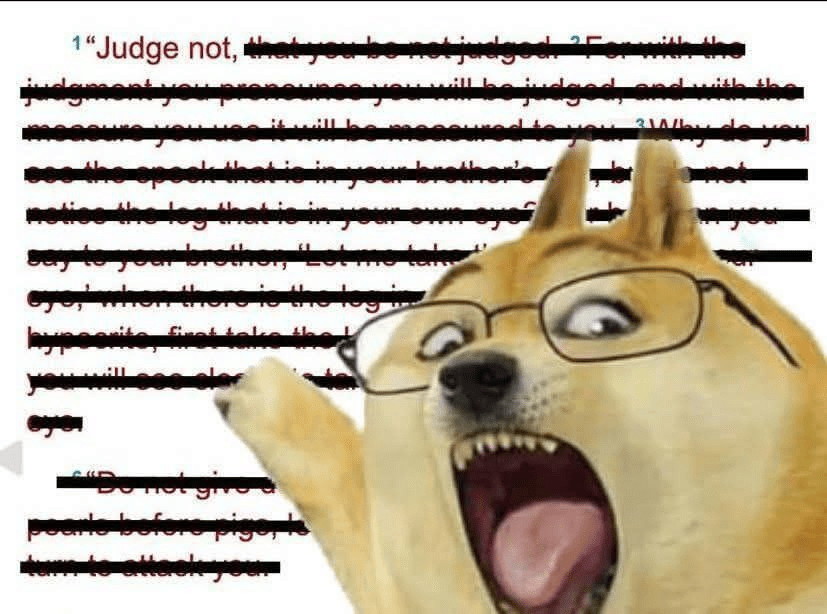
Discernment
Discernment is the ability to judge well. or perception in the absence of judgment with a view to obtaining guidance and understanding.
‘and try to discern what is pleasing to the Lord. ‘ – Ephesians 5:10
‘Do not be conformed to this world, but be transformed by the renewal of your mind, that by testing you may discern what is the will of God, what is good and acceptable and perfect. ‘ – Romans 12:2
Discernment to a believer is crucial in understanding the will of God and how to go about pleasing Him, especially in a world filled with distractions and competing ideologies. Our chief end is to glorify God, and how else would we know how to go about that in our daily lives without biblical discernment guiding our choices? For us to discern correctly, we must first know the truth that is found in the word, immersing ourselves in its teachings and principles through regular study and reflection. We must compare all things with that of the word, allowing it to serve as our standard of truth, that we might be able to know what is of the world compared to that which is of the Lord. This discernment not only helps us navigate daily challenges but also fortifies our faith, enabling us to make decisions in alignment with God’s purpose, thus fulfilling our role as representatives of His love and grace in all we do.
Discernment is not a matter of simply telling the difference between right and wrong; rather it is telling the difference between right and almost right. – Charles Spurgeon
‘But solid food is for the mature, for those who have their powers of discernment trained by constant practice to distinguish good from evil.’ – Hebrews 5:14

Without proper discernment, we would lack the proper knowledge of how to best serve the Body of Christ. Not everyone is able to eat meat (spiritually mature); some are still just learning to take milk (spiritually immature and new), navigating their faith with uncertainty and questions. Discernment is required to better understand the diverse needs of the people of God and how to go about best serving and leading them effectively in various stages of their spiritual growth. Without it, you would find improper teaching and a lack of compassion for those struggling through their newfound faith, as their vulnerabilities might be overlooked. You would see not only the blind leading the blind but also a body hindered by misunderstanding. You would see a lack of growth due to a lack of understanding, resulting in stagnation and disconnection within the church body, preventing individuals from fully flourishing in their faith and relationships with one another.
‘For the word of God is living and active, sharper than any two-edged sword, piercing to the division of soul and of spirit, of joints and of marrow, and discerning the thoughts and intentions of the heart. – Hebrews 4:12
“He that will not be deceived must know how to discern the truth from error, light from darkness, the voice of Christ from the voice of the stranger.” – Thomas Goodwin
| Judgement type | Who | What |
| Eternal Judgement | God | The judgement that God uses to condemn a person, making a judgement call on the state of their soul. |
| Evidential/Conclusional Judgement | Christians | Judgement that we are able to reach a conclusion to that which we outwardly perceive to be true. Based on the standards of Scripture by discernment given by the Holy Spirit. |

