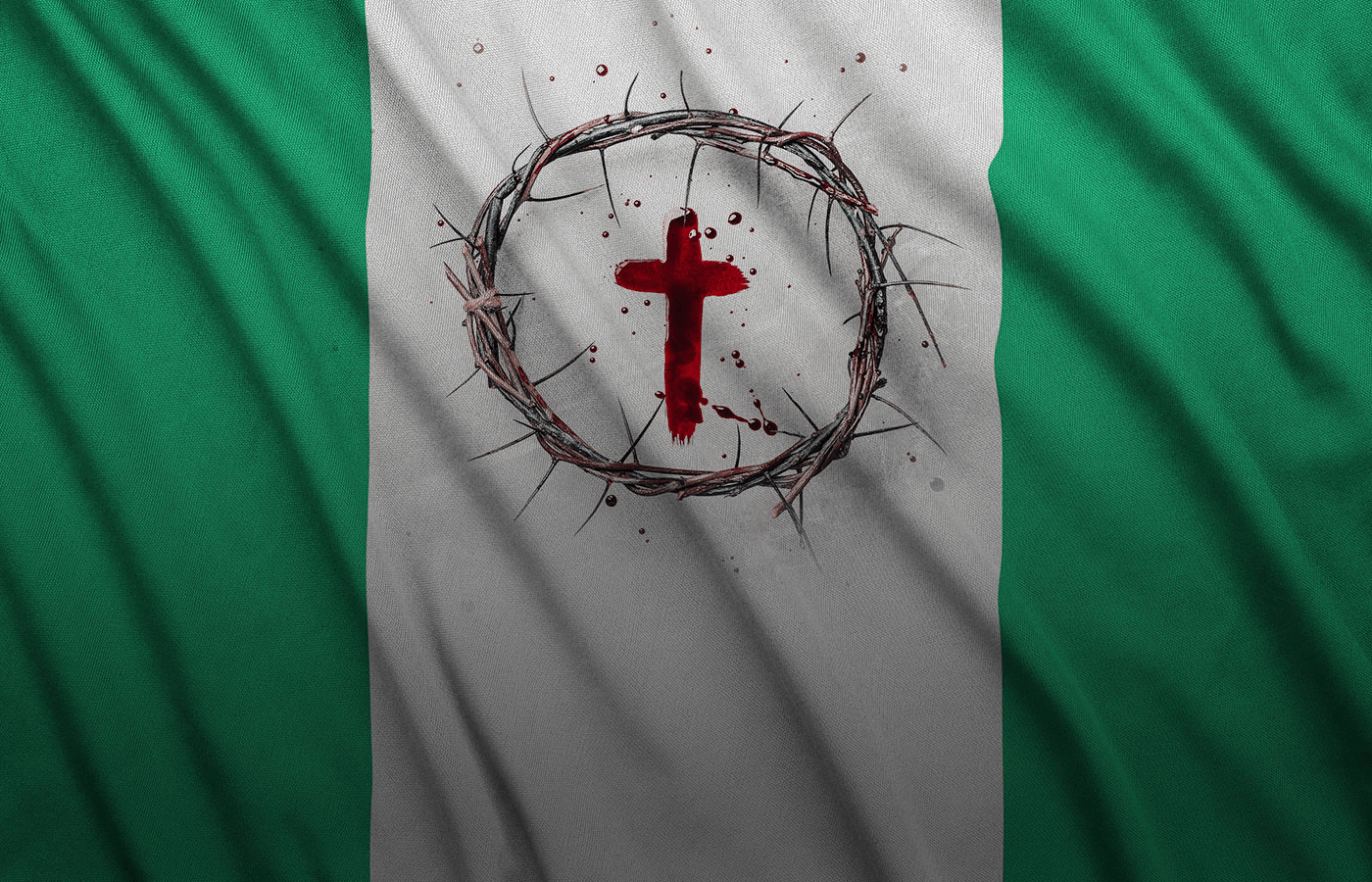
“Then they will deliver you up to tribulation and put you to death, and you will be hated by all nations for my name’s sake.’ – Matthew 24:9
According to the report “Martyred Christians in Nigeria” issued by Intersociety, over the past 14 years, at least 52,250 Nigerian Christians have been brutally murdered at the hands of Islamist militants, highlighting a tragic and ongoing crisis in the region. This staggering number reflects not just individual tragedies but also a systematic campaign of violence and persecution that has sought to eradicate Christian communities in Nigeria. The situation began to escalate significantly with the outbreak of the Boko Haram Islamist insurgency in 2009, which has since evolved into a more complex conflict involving various militant groups. The relentless assaults have led to widespread fear, dislocation of families, and a humanitarian catastrophe, as countless individuals have been forced to flee their homes, leaving behind livelihoods and loved ones to escape the terror perpetuated by these extremist factions.
Boko Haram’s name loosely means “Western education is forbidden” (“Boko” = book/western learning; “haram” = forbidden).
They believe Western values, including democracy, secular education, and religious tolerance, are sinful. Therefore they view Christianity as a symbol of Western influence and seek to eliminate it. “They are not just anti-Christian — they are anti-anything that doesn’t conform to their radical interpretation of Islam.” Boko Haram wants to establish a strict Islamic state ruled by Sharia law, particularly in northern Nigeria. Attacking Christians fuels their propaganda, portraying themselves as “defenders of Islam.” Yet they will kill anyone who is in there way, even their own Muslim brothers and sisters. Because Boko Haram demands exclusive loyalty to its version of Islam. They hate democracy, women’s education, religious freedom, and modern law.
You can see firsthand how the mixing of strict Islam and Christianity is at odds. One leads to strict laws under Islamic authority, while Christianity leads to individual freedom. Here we see the quality of education clash with that which seeks to rule over others by restricting education.
The Christian values and teachings of Christ stand in direct opposition to those of Boko Haram’s Islamic terror. Christianity preaches forgiveness instead of vengeance, inviting believers to extend mercy and compassion even to those who wrong them, promoting healing rather than harboring resentment. It advocates for peace instead of violence, urging followers to seek nonviolent resolutions and to foster understanding among one another. The promise of Salvation through Christ offers a path of hope and transformation, emphasizing love and redemption over the notion of jihad, which often incites conflict and hostility. Christianity gathers people not through fear but by the love and grace of Christ, uniting individuals from diverse backgrounds in a powerful community of faith. In stark contrast, Boko Haram’s ideology cultivates an environment of fear, resorting to terror tactics and threats to coerce individuals into conversion; should someone resist, the ultimate punishment is death, creating an atmosphere of intimidation and despair.

In the same period, 18,000 Christian churches and 2,200 Christian schools were set ablaze. Approximately 34,000 moderate Muslims also died in Islamist attacks. In 2014, you had the Chibok girls kidnapping, where 276 mostly Christian schoolgirls were kidnapped. There have been ongoing church bombings, with dozens of attacks during Sunday worship services. On top of all this, small villages are being massacred, with entire Christian communities wiped out in Borno and Adamawa states.


Leave a comment